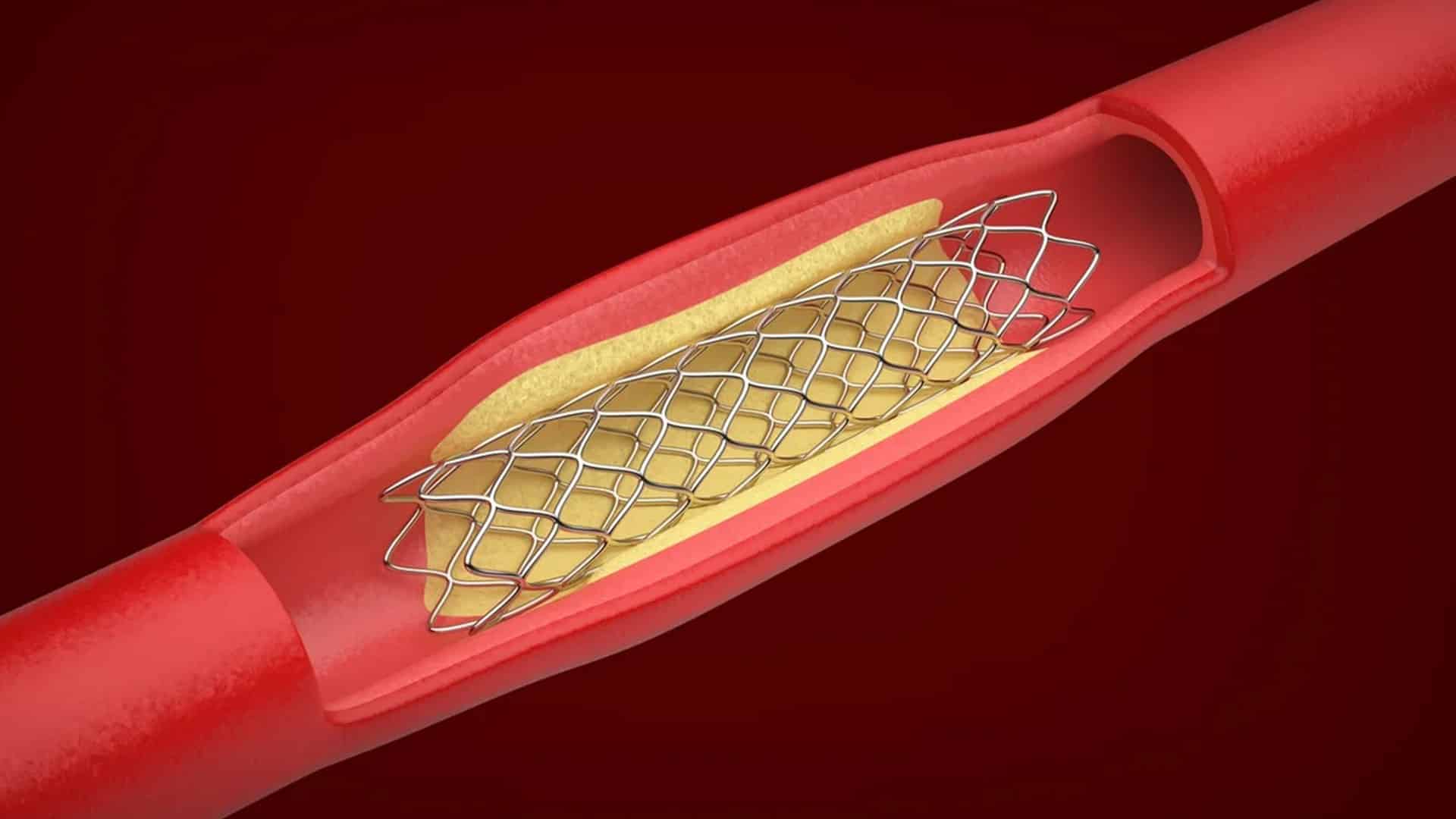

Drug-coated balloon (DCB) angioplasty is reshaping cardiovascular care and emerged as an alternative to stent-based revascularization in both coronary and peripheral vascular disease. DCB support “leave nothing behind” strategy and may reduce the burden of chronic metal or polymer exposure by directly delivering antiproliferative drugs to the vessel wall without leaving a permanent implant. Unlike traditional balloon angioplasty or stent-based procedures, drug coated balloon angioplasty addresses key limitations of conventional therapies while expanding treatment options across various coronary indications.
Their clinical role began with in-stent restenosis (ISR), but evidence now extends to small-vessel disease, selected de-novo lesions, bifurcation disease, and peripheral artery disease, where restenosis remains a major limitation of conventional balloon angioplasty.
The Evolution of Angioplasty Procedure with DCBs
Angioplasty has advanced considerably since the era of plain old balloon angioplasty (POBA). Although POBA effectively opens narrowed arteries, its long-term efficacy is limited by elastic recoil and neointimal hyperplasia, which contribute to frequent restenosis.
Stents were introduced as mechanical scaffolds to prevent vessel collapse, eventually evolving into drug-eluting stents (DES) that provide scaffold and sustained drug release. However, they leave a permanent metallic implant in the vessel, which can lead to risks such as thrombosis, in-stent restenosis (ISR), and the need for prolonged dual antiplatelet therapy (DAPT).
This is where the benefits of drug coated angioplasty become apparent. DCB angioplasty combines balloon dilation with local drug delivery during a short inflation, usually 30–60 seconds. It avoids a permanent implant, preserves vessel motion. While drug-eluting stents (DES) remain the standard treatment for most coronary lesions, DCBs are recommended in selected indications, including certain high-bleeding-risk or complex cases.
Expanding Indications for DCB Angioplasty
The clinical benefits for drug coated balloon angioplasty have expanded significantly over the years. Potential advantages include avoidance of permanent implants, possibility of shorter DAPT duration and preservation of native vessel physiology. DCBs promote more favorable vessel healing and function, which is particularly beneficial in dynamic segments.
DCB use in in-stent resteonosis (ISR) is well established and supported by clinical studies, evidence for de-novo coronary lesions, small vessels (typically <3.0 mm) and patients at high bleeding risk (HBR), and other complex scenarios continues to evolve.
In these groups, DCBs allow for abbreviated antiplatelet regimens, resulting in lower major bleeding rates. Angiographically, DCBs show favorable late lumen loss profiles, reflecting effective inhibition of restenosis without the chronic inflammatory response often seen with permanent stents.
DCB Angioplasty in Restenosis (ISR)
The earliest and most established indication for DCB angioplasty is the treatment of In-Stent Restenosis (ISR). ISR occurs when scar tissue grows inside a previously placed stent, causing the artery to narrow again. Placing a second stent inside a failed stent (a “stent-in-stent” approach) creates multiple layers of metal, increasing the risk of future complications.
Landmark randomized trials and real-world registries have established DCB angioplasty as an effective treatment alternative. Pivotal trials such as PEPCAD II, ISAR-DESIRE 3, and DARE, have consistently shown superior outcomes of DCBs over plain balloon angioplasty and repeat drug-eluting stent (DES) placement.
Real-world experience with Protégé DCB
Reinforcing these clinical trial findings, the PEARL (Paclitaxel-Eluting Angioplasty Balloon in the Real-World) Registry, a prospective observational registry which enrolled 513 patients across four centers with a 2-year follow-up, demonstrated Protégé a paclitaxel-coated DCB, as safe and effective in routine clinical practice, while establishing realistic expectations for long-term outcomes. The registry reported 2-year major adverse cardiac event (MACE) rates of 17.1% in ISR lesions with target lesion revascularization (TLR) rates of 11.7%. Despite these expected real-world event rates, procedural complications remained infrequent (3.3%), bailout stenting was required in only 3.1% of cases, and procedural success was exceptionally high.
A 2025 mixed treatment comparison meta-analysis reinforced DCBs’ superiority over plain balloon angioplasty and equivalence or better performance versus DES for ISR, with reduced target lesion revascularization (TLR) needs. These findings support DCB angioplasty as an important treatment option for ISR and a viable alternative to repeat stent implantation in selected patients.
Expanding Use in De-Novo Lesions
Traditionally reserved for ISR, growing clinical evidence supports the use of DCBs in de-novo coronary lesions,. Real-world data from the PEARL registry demonstrates sustained long-term outcomes for de novo lesions with a 2-year major adverse cardiac event (MACE) rate of 9.7% and a target lesion revascularization (TLR) rate of 2.9% only. Building on this strong real-world foundation Preliminary data from large contemporary trials such as SELUTION DeNovo (over 3,300 patients) suggest that DCB strategies are non-inferior to DES in larger de novo vessels (>2.75 mm) for major adverse cardiac events at one year.In de-novo disease, DCB angioplasty allows provisional stenting only when necessary (bailout rates typically 5–20%), reducing overall stent use. Long-term follow-up data indicate sustained safety and efficacy, with trends toward lower TLR in certain subgroups.
In addition, recent studies, including the PICCOLETO II trial, suggest this approach is safe over the long term. Using DCBs for de novo lesions helps keep the vessel open for future treatment if needed and preserves the artery’s natural flexibility and function.
Small Vessel Disease
Small coronary vessels (typically <2.75–3.0 mm) pose challenges for stenting due to higher restenosis and thrombosis rates. Drug coated balloon angioplasty has demonstrated favorable outcomes in clinical studies by avoiding the disproportionate metal-to-artery ratio that occurs with stents in small-caliber vessels.
The landmark BASKET-SMALL 2 trial demonstrated that DCBs were non-inferior to DES regarding major adverse cardiac events (MACE) up to three years post-procedure. By delivering the drug and exiting the body, DCBs prevent the late lumen loss associated with metallic struts in tiny arteries.
A 2025 meta-analysis of small vessel interventions confirmed similar TLR rates but advantages in safety profiles for DCBs. This makes them an attractive alternative to stents in diffuse or distal disease common in diabetic patients.
Bifurcation Lesions
Bifurcations where a main artery splits into two branches account for roughly 15-20% of all PCIs. Stenting bifurcations is complex, often requiring intricate techniques and multiple stents, which increases the risk of thrombosis. The “hybrid approach,” utilizing a DES in the main vessel and a DCB in the side branch, has emerged as a promising strategy. This technique ensures the main artery is scaffolded while protecting the side branch from restenosis without the risks of a complex two-stent strategy.
Emerging clinical evidence suppots the hybid approach in selected bifurcation lesions. For example, the randomized BEYOND trial demonstrated that treating the side branch with a DCB (following main vessel DES) significantly reduced 9-month angiographic late lumen loss compared to plain balloon angioplasty (0.17 mm vs. 0.44 mm, p=0.001), indicating far superior vessel patency. Similarly, the PEPCAD-BIF trial reinforced the hybrid strategy, showing low rates of side branch restenosis and target lesion revascularization (TLR) without the complications of a second stent. These trial results align directly with the findings published in the Asia-Pacific Consensus Group report, which consistently highlights favorable procedural success rates, very low long-term major adverse cardiac events (MACE), and a substantially reduced metal burden when utilizing the hybrid DCB strategy.
High Bleeding Risk (HBR) Patients
Following the placement of a metallic stent, patients typically require Dual Antiplatelet Therapy (DAPT) to reduce the risk of stent thrombosis. In patients at High Bleeding Risk (HBR), shorter DAPT may be considered in selected cases according to current guidelines.
Because no permanent implant remains after successful DCB treatment, shorter antiplatelet regimens may be considered in selected patients, particularly those at high bleeding risk. However, antiplatelet therapy duration should remain individualized according to patient and lesion characteristics.. Because no metal is left behind, the risk of late thrombosis is reduced. In high-bleeding-risk patients, diabetes, or multivessel disease, the shorter DAPT and “nothing left behind” approach align well with clinical needs. Ongoing trials continue to refine indications across these scenarios.
Future Directions
As medical technology continues to push the boundaries of vascular innovation, the role of the angioplasty procedure will become increasingly refined. The transition from purely mechanical scaffolding (stents) to biological therapy (DCBs) represents a maturation in cardiovascular care.
Currently, paclitaxel remains the most the most extensively studied drug used in coronary DCBs due to its highly lipophilic nature and unique pharmacokinetics. Because balloon inflation only lasts for 30 to 60 seconds, a drug must transfer rapidly into the vessel wall. Paclitaxel supports in this environment; and instantly absorbed by the local tissue and binds tightly to intracellular microtubules, ensuring prolonged inhibition of smooth muscle cell proliferation long after the balloon is removed.
Future innovations in drug coated balloon angioplasty are focusing on novel drug formulations, such as sirolimus-coated balloons, which offer different tissue absorption kinetics compared to paclitaxel, and improved balloon coatings that ensure even higher drug transfer efficiency with minimal systemic loss.
Conclusion
Drug coated balloon angioplasty represents a paradigm shift in the angioplasty procedure, delivering the benefits of drug coated balloons as a versatile alternative to stents. From established use in restenosis to expanding horizons in de-novo, small vessels, and beyond, DCBs offer effective revascularization with fewer long-term implant-related risks.
As adoption grows, DCB angioplasty is set to play an even larger role in personalized coronary care, reducing reliance on permanent scaffolds while maintaining excellent efficacy.
Disclaimer: This material is intended exclusively for the education of healthcare professionals. The content reflects published scientific evidence and expert consensus available at the time of publication and should not be interpreted as medical advice or as a recommendation for any specific treatment or product. References to individual products are supported by the cited evidence and should not be extrapolated to other devices unless specifically stated. Clinical decisions should be based on individual patient characteristics, physician judgment, current clinical practice guidelines, applicable regulatory approvals, and the approved Instructions for Use (IFU) of the respective device
Reference
- Theofilis P, Oikonomou E, Tsioufis K, et al. Drug-coated balloon angioplasty in coronary artery disease: state of the art review. npj Cardiovasc Health. 2026;3:31. doi:10.1038/s44325-026-00132-7
- Her AY, Wan Ahmad WA, Bang LH, et al. Drug-Coated Balloons-Based Intervention for Coronary Artery Disease: The Second Report of Asia-Pacific Consensus Group. JACC Asia. 2025;5(6):701-717. doi:10.1016/j.jacasi.2025.02.017
- Greco A, Di Leo G, Spagnolo M, Giacoppo D, Capodanno D. Expanding indications for drug-coated balloons in coronary artery disease. Expert Rev Med Devices. 2025;22(4):321-338. doi:10.1080/17434440.2025.2474179
- Patel AH, Abdelnour MW, Frangieh AH. Drug-Coated Balloons for Coronary Interventions: A Focused Review. Methodist Debakey Cardiovasc J. 2025;21(4):37-53. doi:10.14797/mdcvj.1607
- Cortese B, Di Palma G, Guimaraes MG, et al. Drug-coated balloon versus drug-eluting stent for small coronary vessel disease: PICCOLETO II Randomized Clinical Trial. JACC Cardiovasc Interv. 2020;13(24):2840-2849. doi:10.1016/j.jcin.2020.08.035
- Vlieger, S., Cheng, J. M., Oemrawsingh, R. M., Weevers, A. P. J. D, Polad, J., Gho, B., Meuwissen, M., den Heijer, P., Boersma, E., & Ijsselmuiden, A. J. J. (2022). Clinical Performance of a Paclitaxel Drug-Coated Balloon in Real-World Percutaneous Coronary Intervention Practice: The PEARL Registry. The Journal of Invasive Cardiology, 34(6), E462–E468.
- Fezzi S, et al. Indications for Use of Drug-Coated Balloons in Coronary Intervention: Academic Research Consortium Position Statement. J Am Coll Cardiol. 2025;86(15):1170-1202. doi:10.1016/j.jacc.2025.07.049
- Shahrori ZMF, et al. Drug-Coated Balloons: Recent Evidence and Upcoming Novelties. J Cardiovasc Dev Dis. 2025;12(5):194. doi:10.3390/jcdd12050194
- Gilgen, N.; Farah, A.; Scheller, B.; Ohlow, M. A.; Mangner, N.; Weilenmann, D.; Wöhrle, J.; Jamshidi, P.; Leibundgut, G.; Möbius‐Winkler, S.; Zweiker, R.; Krackhardt, F.; Butter, C.; Bruch, L.; Kaiser, C.; Hoffmann, A.; Rickenbacher, P.; Mueller, C.; Stephan, F. P.; Coslovsky, M.; Jeger, R. Drug‐Coated Balloons for de Novo Lesions in Small Coronary Arteries: Rationale and Design of BASKET‐SMALL 2. Clinical Cardiology 2018, 41 (5), 569–575. https://doi.org/10.1002/clc.22942.Natarajan R, et al. Drug-coated balloons versus drug-eluting stents for de novo coronary lesions: a systematic review and meta-analysis. REC Interv Cardiol. Published online 2026. Available at: https://recintervcardiol.org/en/original-article/…
- [Meta-analysis on ISR, e.g., from AHA]. Drug-Eluting Stent, Drug-Coated Balloon, or Plain Old Balloon Angioplasty for In-Stent Coronary Restenosis. Circ Cardiovasc Interv. 2025;18(12). doi:10.1161/CIRCINTERVENTIONS.125.015161
- [Spaulding C, et al. (or the primary SELUTION DeNovo investigators). One-year results of the SELUTION DeNovo trial. Presented at: TCT 2025 (Transcatheter Cardiovascular Therapeutics); October 2025.
- [ICR review on small vessels]. Drug-Coated Balloons for Small Coronary Vessel Interventions: Literature Review. Interv Cardiol Rev. 2019