
The landscape of coronary interventions has undergone a remarkable evolution over the last fifty years. Moving far beyond the original balloon-based widening of arteries, today’s interventional cardiologists rely on a sophisticated array of technologies, including bare-metal stents (BMS), drug-eluting stents (DES), intravascular imaging, and drug coated balloon (DCB). This progression defines the history of interventional cardiology: a continuous, stepping-stone journey from basic coronary angioplasty to advanced therapies, reflecting an evolution of technologies that address different limitations and clinical needs while providing safer, more durable options for patients.
The Rise of Bare-Metal Stents (BMS)
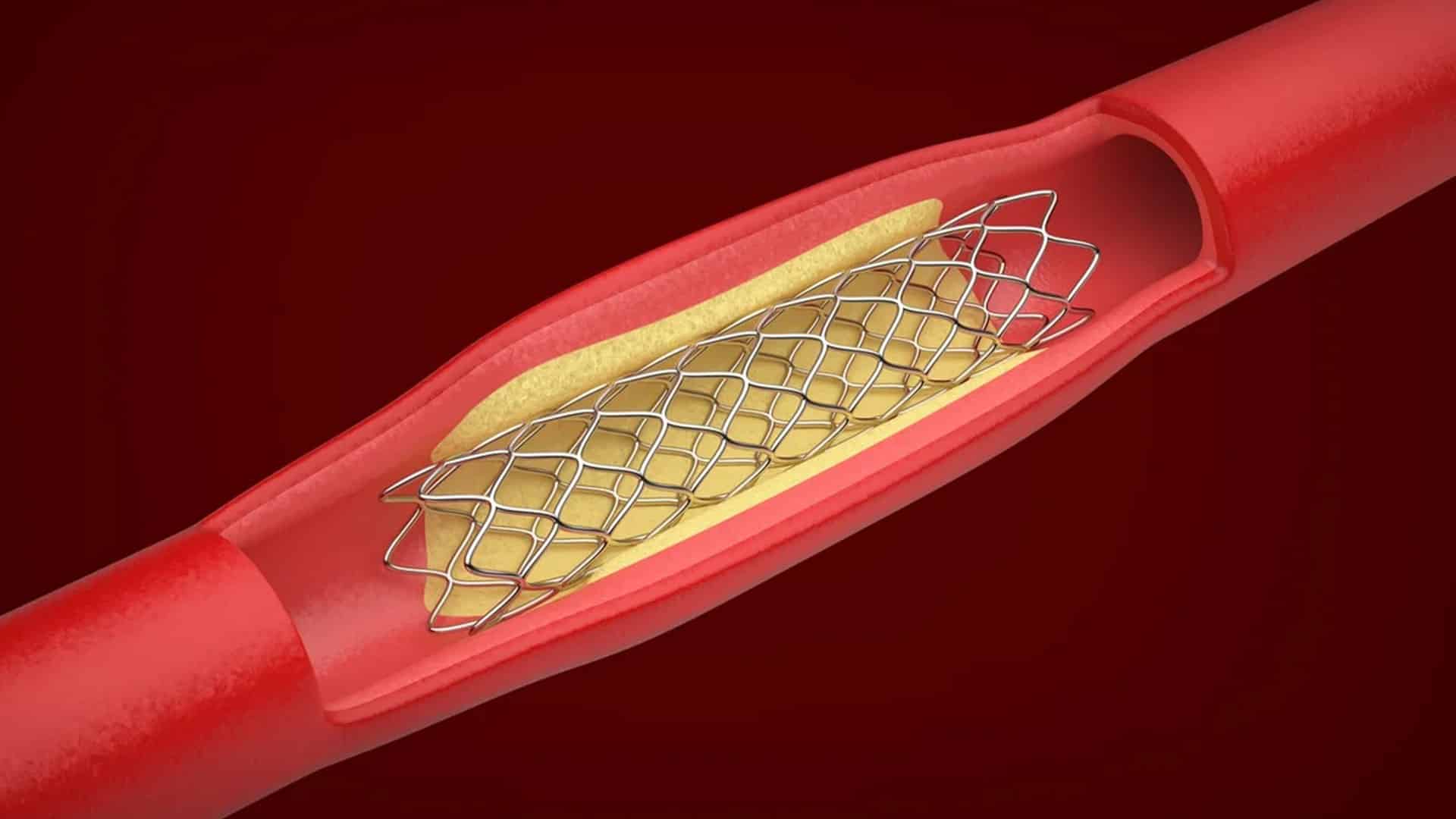
Bare-metal stents represented the major stage in the history of coronary stents. The first coronary stent implantation was performed in 1986 using a self-expanding Wallstent. Metallic stents became more widely adopted during the following decade as improvements in design, delivery systems, antiplatelet therapy, and procedural technique increased their safety and effectiveness.
Landmark trials in the mid-1990s—BENESTENT and STRESS—established the superiority of elective stenting over balloon angioplasty alone. Stenting significantly reduced the need for emergency bypass surgery and lowered rates of restenosis and repeat revascularization. However, bare-metal stents introduced a new limitation: in-stent restenosis driven by neointimal hyperplasia, which still occurred in 15–30% of cases. Dual antiplatelet therapy became essential to reduce the risk of stent thrombosis. These findings made clear that mechanical scaffolding alone could not fully control the biological response to vessel injury. Coronary intervention procedures therefore needed not only structural support but also targeted suppression of the cellular processes that led to restenosis.
Drug-Eluting Stents and the Path Toward Scaffold-Free Treatment
Drug-eluting stents (DES) combine a metallic platform with local delivery of an antiproliferative drug. The stent maintains vessel patency while the drug limits smooth-muscle-cell proliferation and neointimal hyperplasia. First-generation devices substantially reduced restenosis compared with bare-metal stents. However, thicker struts and durable polymers sometimes delayed endothelial healing and raised concern about late stent thrombosis when dual antiplatelet therapy was interrupted or the stent was incompletely expanded.
Second-generation DES improved outcomes with thinner struts, cobalt- or platinum-chromium alloys, more biocompatible polymers, and limus-family drugs such as everolimus and zotarolimus. These platforms remain the clinical standard, supported by extensive evidence, though results still depend on proper lesion assessment, sizing, expansion, and adherence to antiplatelet therapy.
Following the success of early DES, subsequent innovations focused on minimizing long-term inflammatory risks by reducing polymer exposure. This led to the development of biodegradable-polymer and polymer-free DES designs. However, large-scale studies, such as the COMPARE II trial, demonstrated that these iterations achieved outcomes that were comparable—rather than superior—to newer-generation durable-polymer DES. While some research continued toward designing thinner, more predictable resorbable stents, this contributed to continued investigation and clinical use of scaffold free alterative, such as the Drug-Coated Balloon.
The Emergence of Drug-Coated Balloons
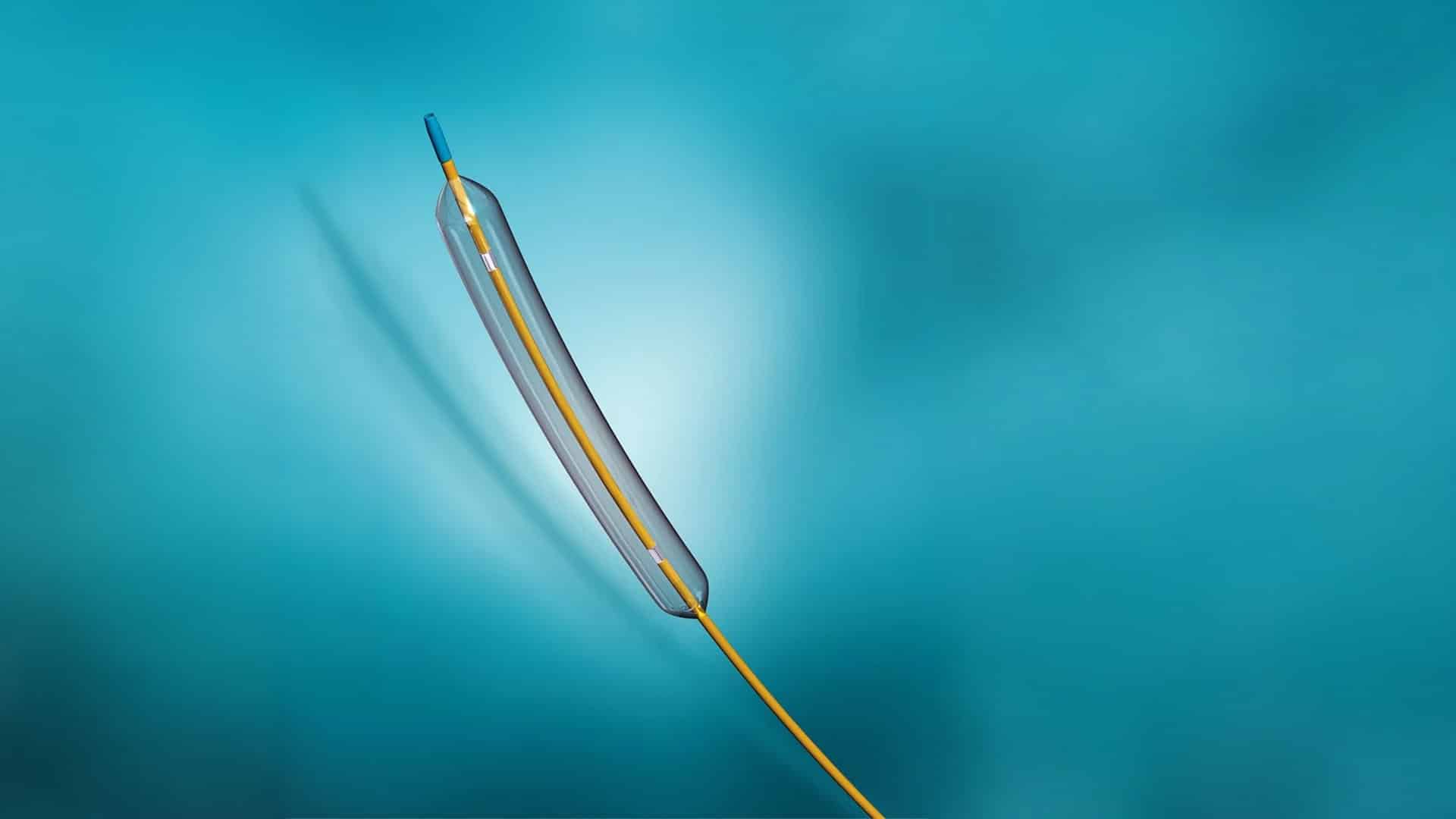
Drug-coated balloons represent a different approach. Instead of leaving a scaffold in the artery, a DCB delivers an antiproliferative drug to the vessel wall during a short balloon inflation. After the balloon is removed, no permanent metal or polymer remains at the treatment site.
Most DCB technologies use a drug, such as paclitaxel or a “limus” agent, combined with a coating or excipient that supports transfer into the arterial wall. Successful treatment depends on careful lesion preparation, adequate balloon contact, controlled inflation, and the absence of significant flow-limiting dissection or recoil.
However, DCBs are not a universal replacement for DES; their use depends on lesion characteristics. Adequate lesion preparation and procedural result. In many de novo large-vessel lesions, a well-expanded DES continues to provide reliable mechanical support. The 2024 European Society of Cardiology guidelines favor DES over DCB for restenosis occurring within a DES, reflecting evidence that DCB performance can vary according to the underlying lesion and clinical setting.
The Future of Coronary Interventions
The future of coronary interventions will likely involve a complementary range of technologies rather than one device replacing all others. Modern DES will continue to evolve through thinner struts, improved polymers, refined drug-release systems, and better delivery platforms. At the same time, DCB technology may expand in carefully selected lesions as evidence develops.
Emerging research is also exploring limus-based DCBs, bioresorbable scaffolds with thinner struts, responsive coatings, and patient-specific treatment planning. These latest advancements in medicine aim to make coronary intervention more precise while reducing permanent device-related complications.
Conclusion
The history of coronary stents reflects a continuous effort to balance mechanical support with biological healing. Balloon angioplasty introduced catheter-based revascularization, BMS improved vessel stability, DES reduced restenosis, and DCBs introduced a scaffold-free method of local drug delivery. No single technology suits every lesion. The optimal coronary intervention depends on anatomy, vessel size, lesion complexity, bleeding risk, clinical presentation, and lesion preparation. Treatment is therefore becoming more personalized and imaging-guided, with DES, DCBs, and emerging bioresorbable devices selected according to their evidence-based strengths.
Reference
- Jerie P. Thirty years of the balloon catheter—A. Grüntzig and percutaneous balloon angioplasty. Cas Lek Cesk. 2004;143(12):866-871. PMID:15730223.
- History of interventional cardiology. Thoracic Key. Published January 13, 2019.
- Huang Z, Skarbek C, Li Y, et al. Evolution of coronary stents: from birth to future trends. J Clin Med. 2026;15(1):47. doi:10.3390/jcm15010047.
- Macaya-Ten F, Nieves G, Macaya C. Inception of the coronary stent: a story of successful collaboration between innovative scientists and the biotechnology industry. REC Interv Cardiol. 2024;6(4):321-331. doi:10.24875/RECIC.M24000463.
- Smits PC, Hofma S, Togni M, et al. Abluminal biodegradable polymer biolimus-eluting stent versus durable polymer everolimus-eluting stent (COMPARE II): a randomised, controlled, non-inferiority trial. Lancet. 2013;381(9867):651-660. doi:10.1016/S0140-6736(12)61852-2.
- Alfonso F, Byrne RA, Scheller B, van Belle E, Mehilli J. Drug-coated balloon angioplasty for in-stent restenosis: pros and cons. EuroIntervention. 2025;21(2):e102-e104. doi:10.4244/EIJ-E-24-00062.
- Suwannasom P, Towashiraporn K, Roongsangmanoon W, et al. Consensus statement on drug-coated balloons in coronary artery disease from the Cardiovascular Intervention Association of Thailand. J Clin Med. 2025;14(21):7505. doi:10.3390/jcm14217505.